
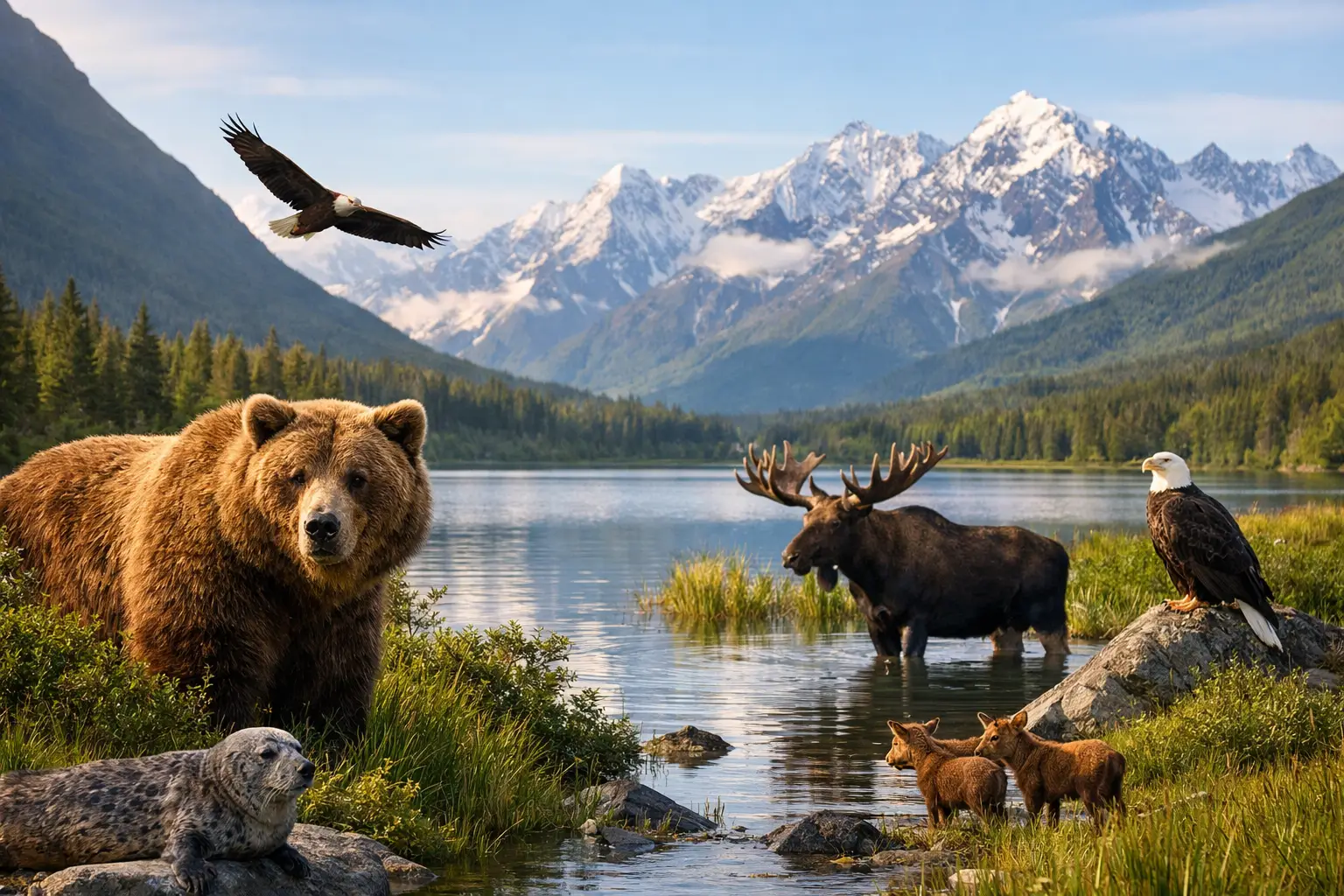
A moose stepping through a neighborhood greenbelt. Beluga whales surfacing in Turnagain Arm. Dall sheep standing high above the Seward Highway like they own the whole mountain. If you are wondering where to see wildlife in Alaska, the good news is you do not have to travel deep into the backcountry to have a memorable experience. Some of the best viewing in Southcentral Alaska is surprisingly accessible from Anchorage, especially when you know where to go and when conditions are right.
For many visitors, the biggest question is not whether Alaska has wildlife. It is how to see it without spending half the trip figuring out roads, timing, and local habits. That is where a little local knowledge makes all the difference. Wildlife sightings are never guaranteed, but certain places consistently give you a much better chance.
Where to see wildlife in Alaska around Anchorage
If Anchorage is your home base, you are in a strong position. Southcentral Alaska offers a mix of urban wildlife, coastal viewing, mountain habitat, and protected conservation areas, all within day-trip range. That means you can pack a lot into a short visit without feeling rushed.
Anchorage itself is one of the few cities where wildlife viewing can happen right between breakfast and dinner reservations. Moose are the most common big-animal sighting in town, especially in green spaces, trail systems, and wooded residential areas. You still need to give them plenty of distance. They may look calm, but moose can be unpredictable, particularly in summer with calves and in winter when they are stressed.
For birdlife, the Tony Knowles Coastal Trail and Potter Marsh are both excellent places to watch for waterfowl, shorebirds, and occasional raptors. Potter Marsh is especially rewarding for visitors who want an easy stop with wide views and a good chance of seeing birds without a long hike. Depending on the season, you might also spot salmon in the water and moose in the surrounding wetlands.
Turnagain Arm is one of the best wildlife drives in Alaska
If you want dramatic scenery and strong wildlife potential in the same outing, Turnagain Arm is hard to beat. This stretch south of Anchorage combines mountain slopes, tidal flats, boreal forest, and roadside pullouts that make viewing relatively easy for visitors.
Beluga whales are one of the biggest draws here, usually during the summer salmon runs. They are not an everyday sight, and timing matters, but Turnagain Arm is one of the more realistic places to look for them near Anchorage. Low tide and moving fish can create great opportunities, though patience helps.
The mountains above the highway are also well known for Dall sheep. One of the most popular viewing areas is near Windy Corner and the Beluga Point area, where white dots on the cliffs often turn into unmistakable sheep once you know what you are looking for. Bald eagles also show up regularly, and in the right season you may see spawning salmon in nearby streams.
This is one of those places where the trade-off is simple. The views are world-class, and the route is convenient, but wildlife is still wild. Some days you may see several species in a single trip. Other days, the mountains steal the show and the animals stay hidden.
Alaska Wildlife Conservation Center for guaranteed viewing
For travelers who want to see Alaska animals without leaving it to chance, the Alaska Wildlife Conservation Center is one of the smartest stops in Southcentral Alaska. It is not a zoo in the traditional sense. It is a conservation facility where you can see animals that are native to Alaska, including bears, wood bison, musk ox, elk, moose, wolves, and caribou.
This is a great option for families, first-time visitors, photographers, and anyone with limited time. You get close-up views, safer access, and the chance to learn more about the animals from a local guide or interpretive displays. It is especially useful if your vacation schedule is tight and you do not want to risk missing Alaska’s iconic wildlife entirely.
For many guests, this stop works best as part of a larger scenic day. Pairing wildlife viewing with Turnagain Arm, Portage, or Girdwood gives you the best of both worlds – reliable animal sightings and the wide-open Alaska scenery people come here to experience.
Portage Valley adds wildlife to a glacier day
Portage Valley is often known first for its glacier scenery, but it is also a worthwhile wildlife area. The valley’s mix of lakes, forests, and mountains creates habitat for moose, bears, mountain goats in higher terrain, and a wide range of birds.
This is one of the best choices for visitors who want a softer-paced outing. You are not just chasing an animal sighting. You are spending time in a place that feels unmistakably Alaskan, where waterfalls, hanging glaciers, and open views are part of the experience even if the wildlife keeps a lower profile that day.
Because of its accessibility from Anchorage, Portage works well for cruise extensions and short stays. It also pairs naturally with the conservation center and Turnagain Arm, making it a very efficient route for visitors who want scenery, wildlife, and easy logistics in one trip.
Girdwood and the surrounding forests
Girdwood gives you a slightly different kind of wildlife experience. The town is surrounded by temperate rainforest, mountain habitat, and salmon streams, so the area can be active depending on the season. Moose are common enough that many visitors spot one without much effort, especially on quieter roads or at the edges of wooded areas.
In late summer and early fall, salmon activity can draw attention to nearby waterways, and where there are salmon, other wildlife often follows. That does not mean every visitor should go searching for bears on foot. In fact, that is usually a bad idea without local knowledge and proper precautions. But it does mean the ecosystem around Girdwood feels alive in a way many travelers remember long after the trip.
This is also a good reminder that guided sightseeing has real value in Alaska. A local guide is not just driving. They are watching conditions, tracking recent sightings, choosing safe stops, and helping guests understand what they are seeing.
Matanuska Valley for a bigger day trip
If you are willing to range farther from Anchorage, the Matanuska Valley opens up more opportunities for wildlife along with big mountain scenery. The drive itself can produce sightings, especially of moose and birds of prey, and the less urban setting gives you a stronger sense of Alaska’s scale.
This area is often chosen for glacier adventures, but it also appeals to travelers who want to combine road-trip scenery with the chance of seeing animals in a more open landscape. The trade-off is drive time. If your vacation is short, a closer Southcentral route may be the better fit. If you have a full day and want something beyond the standard city-and-coast outing, this region can be well worth it.
Best time to see wildlife in Alaska
Summer is the easiest season for most visitors because roads are open, daylight is long, and day tours run consistently. Moose, bears, eagles, whales, and salmon-related wildlife activity are all possible during the main travel season, but the timing varies by species.
Early summer is strong for general sightseeing and long scenic days. Mid to late summer can be especially interesting around salmon streams and coastal areas. Fall brings beautiful color and fewer crowds, though weather becomes a bigger factor. Winter offers moose sightings around Anchorage fairly often, but it is a different kind of trip and not the classic multi-species wildlife season most first-time visitors expect.
If your goal is variety, summer gives you the best overall odds. If your goal is one specific animal, it helps to build your itinerary around habitat and season rather than hoping every stop will deliver everything.
How to improve your chances of seeing wildlife
The best wildlife outings are part timing, part patience, and part choosing the right route. Early morning and evening can be productive, but on busy vacation schedules that is not always practical. Fortunately, in Southcentral Alaska, midday can still be rewarding because the scenery itself is so rich and certain viewing areas are naturally active.
Bring binoculars if you have them, dress for changing weather, and keep your expectations flexible. Wildlife does not perform on schedule, and that is part of what makes seeing it so exciting. A day with no bear sighting can still include glaciers, mountain goats high on the ridges, and a moose in the marsh on the drive back.
If convenience matters, booking a guided day trip can remove a lot of guesswork. Companies like Alaska’s Finest Tours & Adventures make it easier to combine transportation, scenic stops, and wildlife-focused destinations without spending your vacation behind the wheel.
The best answer to where to see wildlife in Alaska is often this: go where great habitat meets easy access, and give yourself room to enjoy the whole day, not just the checklist. In Southcentral Alaska, that approach usually leads to the kind of moments people talk about long after they get home.