
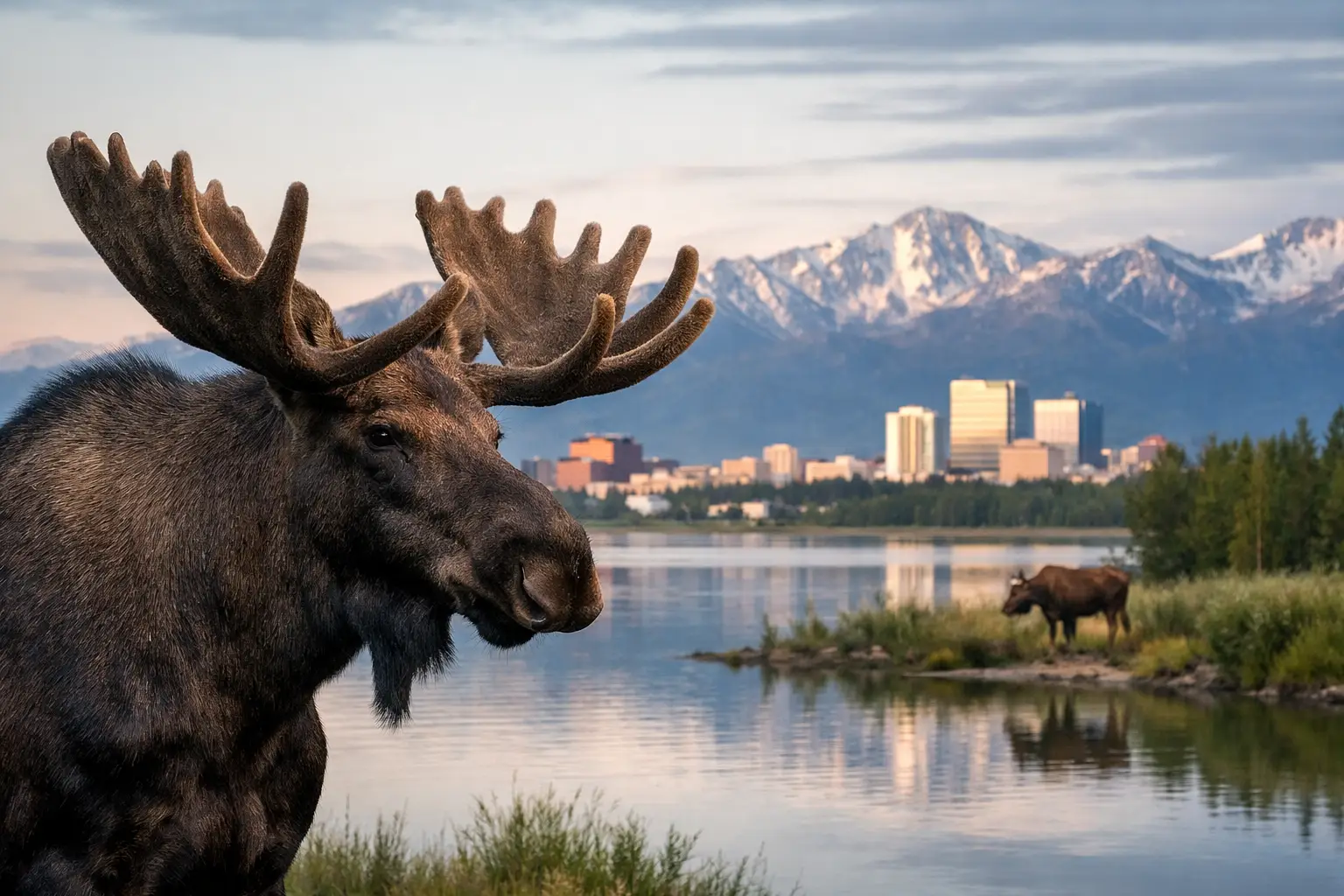
A lot of visitors land in Anchorage with one big wildlife question before they even grab their bags: how to see moose near Anchorage without spending the whole day guessing. The good news is you do not need to head deep into the backcountry to have a real chance. Moose live in and around Anchorage, and with the right timing, the right places, and a little local patience, spotting one can be surprisingly doable.
The part that catches many first-time visitors off guard is that moose are not zoo animals and they do not perform on cue. Some days you will see one on a neighborhood greenbelt or along a marshy edge within minutes. Other days, even solid viewing areas stay quiet. That is exactly why a little strategy matters.
How to see moose near Anchorage without wasting time
If your vacation time is limited, the smartest approach is to focus on habitat, timing, and convenience. Moose are often drawn to areas with water, brush, young trees, and open edges where they can feed while still keeping cover nearby. Around Anchorage, that means wetlands, creek corridors, wooded parks, and the greener edges of developed areas.
Early morning and evening usually give you your best odds. Midday is not impossible, especially on cool or overcast days, but the odds are generally better when the light is softer and human activity is lower. Summer visitors often assume long daylight means any hour works equally well. In practice, moose still tend to be more active at the edges of the day.
Season matters too. Fall can be productive because bulls are more visible during the rut, while winter can make moose easier to spot against the snow. In summer, thick leaves can hide them even when they are close. Spring often brings moose into greener feeding areas, but it is also a season when cows with calves can be especially defensive. So yes, you can see moose near Anchorage year-round, but the experience changes with the season.
Best places to look for moose near Anchorage
Anchorage is unusual in the best way – wildlife habitat exists right alongside the city. That gives visitors several realistic options, depending on whether they want a quick sighting near town or a broader sightseeing day with multiple wildlife opportunities.
Kincaid Park and nearby green spaces
Kincaid Park is one of the better-known places to look because it combines wooded trails, open areas, and natural habitat on the edge of the city. Moose do move through here, especially in quieter hours. The trade-off is that it is a large area, so sightings are never guaranteed just because you arrived.
Nearby trail systems and greenbelts can also be productive. Moose often use these natural corridors to travel and feed. If you are walking, stay alert and keep your distance. It is easy to get focused on scenery and miss how close a large animal can be.
Potter Marsh and the Turnagain Arm area
Potter Marsh is often associated with birding, but the surrounding habitat can also attract moose. This area works well for visitors who want scenic value even if wildlife is slow, since the views south of Anchorage are beautiful in their own right. If you continue along Turnagain Arm, you add the possibility of other wildlife and a classic Southcentral Alaska landscape to your outing.
This is one reason guided sightseeing can make sense. You are not just driving around hoping for one perfect moment. You are enjoying the route, the views, and local interpretation while keeping an eye out in places where wildlife is actually likely to appear.
Far North Bicentennial Park and creek corridors
Large park areas on Anchorage’s east side offer another strong moose habitat mix: woods, water, and natural travel routes. Moose are often seen in and around these quieter sections of town, especially where neighborhoods meet undeveloped land. Visitors who have a rental car and some flexibility may find these areas rewarding.
Still, this option is better for travelers comfortable navigating local roads and trail access. If you would rather skip the guesswork, choosing a tour with a guide who already knows current patterns can save time.
Alaska Wildlife Conservation Center for a guaranteed backup plan
If your main goal is simply not to leave Alaska without seeing a moose, this is the most dependable option. The Alaska Wildlife Conservation Center is not a wild moose sighting, but it gives visitors a close, safe, and memorable chance to see Alaska animals while also enjoying a scenic trip south from Anchorage.
For many travelers, that combination is ideal. You can still watch for wild moose on the drive, and even if nature stays quiet that day, you have not spent hours empty-handed. This is especially useful for families, cruise extension travelers, and anyone with a tight schedule.
What actually improves your odds
The biggest mistake visitors make is treating moose viewing like a random city errand. A little planning changes the experience. Dress for standing outside longer than you expected. Scan brushy edges slowly instead of only looking at open ground. If you are driving, let passengers watch both sides of the road, especially near wetlands and wooded clearings.
Weather can help. Cool, cloudy, and lightly rainy conditions can keep animals moving more than bright, warm afternoons. Snow also makes dark bodies stand out in winter. On the other hand, heavy rain or strong wind can reduce visibility for you, even if wildlife is still present.
Noise matters as well. Busy parking areas and crowded trailheads are not always the best places to spot animals. Sometimes the moose is just a short distance away in calmer habitat, but reaching that area requires patience rather than rushing in and out.
Safety matters more than the photo
Moose look calm until they do not. They are large, fast, and fully capable of injuring people who get too close. The safest rule is simple: if you are changing your path because of the moose, you are already too close.
Give every moose plenty of room, and give even more space to a cow with calves. Dogs can also trigger defensive behavior, which is one reason local residents take moose encounters seriously on trails. If a moose puts its ears back, lowers its head, or seems focused on you, back away and use distance or cover.
A zoom lens is always better than trying to inch closer. The best wildlife memories come from respectful viewing, not from testing limits.
Should you go on your own or book a guided outing?
It depends on the kind of trip you want. If you enjoy self-driving, have extra time, and do not mind the uncertainty, independent moose spotting can be fun. Anchorage gives you more chances than many cities ever could.
But if you want to make the most of limited vacation days, guided touring has real advantages. A local guide can combine likely wildlife areas with scenic stops, regional context, and practical timing. You also avoid the stress of navigating unfamiliar roads, watching for wildlife while driving, and wondering whether you are in the right place at the right hour.
For many guests, the sweet spot is a broader sightseeing or wildlife-focused day that includes strong moose habitat but does not depend entirely on one animal appearing. That way the day still feels full, scenic, and worthwhile from start to finish. Alaska’s Finest Tours & Adventures takes this kind of approach seriously because most visitors want more than a single checklist moment – they want an easy, memorable Alaska experience.
How to see moose near Anchorage if you only have one day
If you have just one day, build your plan around high-probability windows. Start early or go out in the evening. Choose one or two proven habitat areas instead of bouncing all over town. Pair your moose search with scenic spots south of Anchorage so the day stays rewarding regardless of wildlife activity.
This is also where transportation and local knowledge make a difference. A well-planned outing can include Anchorage-area wildlife viewing, Turnagain Arm scenery, and a stop where you have a reliable chance to see Alaska animals even if wild sightings are limited. That combination gives you the best balance of excitement and peace of mind.
Seeing a moose near Anchorage is never something anyone can promise on command, and that is part of the thrill. But with smart timing, the right locations, and a flexible Alaska mindset, your odds are very good – and sometimes the most memorable sighting happens when you least expect it, just beyond the edge of the road with the mountains behind it.