
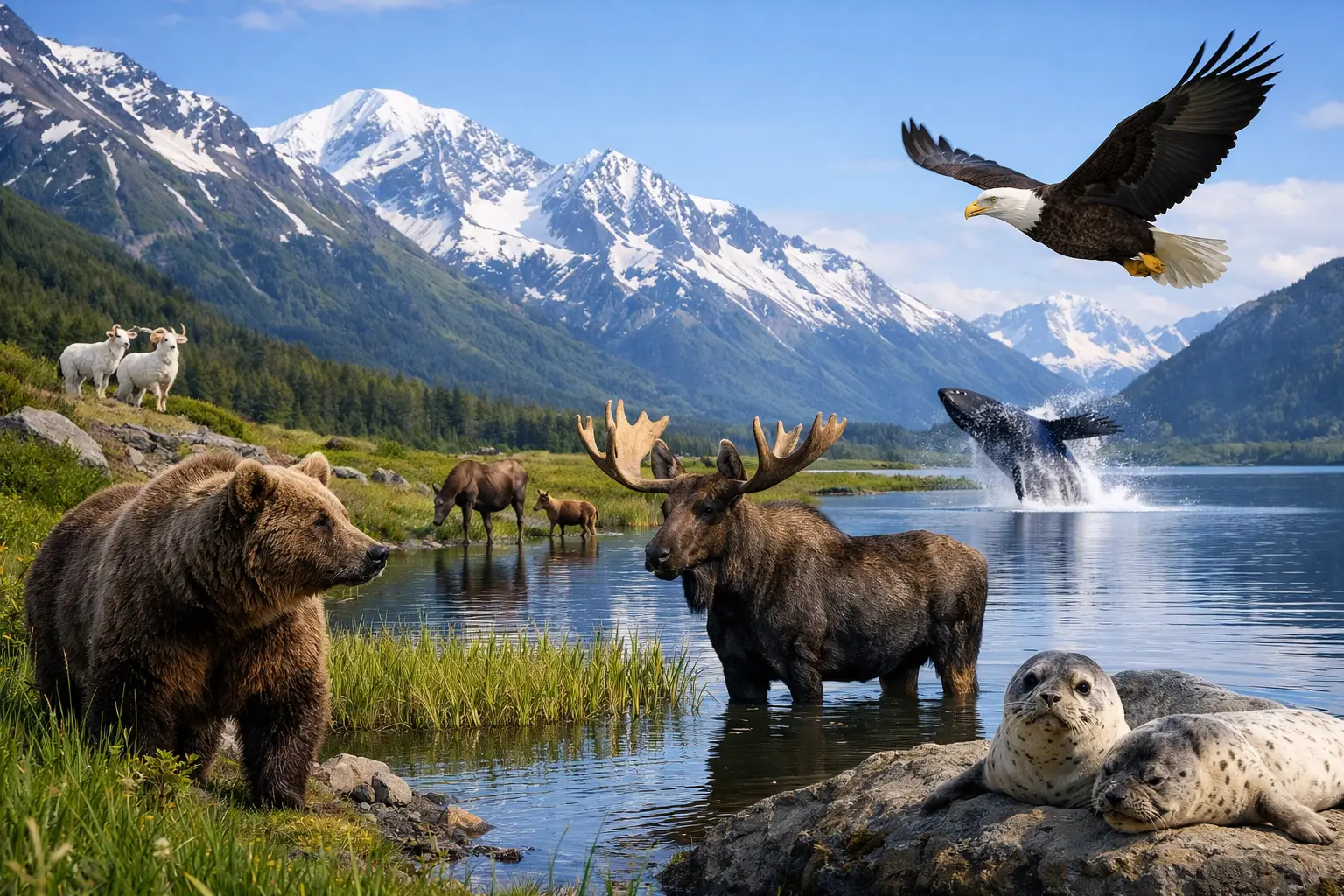
A bull moose stepping out of the trees beside a quiet roadside pond can change your whole Alaska trip in about five seconds. That is part of the magic of alaska best wildlife viewing in Southcentral Alaska – you do not always need a remote fly-in lodge or a week in the backcountry to see something unforgettable. If you are staying in Anchorage and want a smart, scenic, realistic way to spot wildlife, this region gives you excellent odds with far less hassle.
For many visitors, the biggest question is not whether Alaska has wildlife. It is where to go without wasting a day guessing, driving unfamiliar roads, or arriving at the wrong time. Around Anchorage, the best viewing often comes from pairing the right location with the right season, the right pace, and a local guide who knows what signs to watch for.
Where alaska best wildlife viewing happens most often
Southcentral Alaska works especially well for wildlife travelers because the landscapes change quickly. In one day, you can move from city shoreline to mountain valleys, tidal flats, spruce forest, and glacier country. That variety creates more chances to see different species without covering huge distances.
Turnagain Arm is one of the strongest areas for dependable viewing near Anchorage. The route combines dramatic scenery with regular sightings of Dall sheep on the cliffs, beluga whales in the inlet at the right time, bald eagles overhead, and occasional moose in nearby marshy areas. You are also in a corridor where the drive itself is part of the experience, which matters if you want your wildlife outing to feel like a full Alaska day trip instead of just a stop-and-look excursion.
The Portage area adds another layer. Wetlands, mountains, and nearby glacier landscapes create habitat for birds, moose, and other animals, while the surrounding scenery makes every pause worthwhile. If your goal is to combine wildlife with iconic Alaska views, this area does that especially well.
The Alaska Wildlife Conservation Center is also a valuable stop, particularly for first-time visitors, families, and anyone who wants guaranteed wildlife encounters as part of the day. It is not the same as seeing an animal fully wild along the roadside or on a tidal flat, but it gives you close, meaningful views of species that can otherwise be difficult to spot, including bears, wood bison, musk ox, and elk. For many travelers, the best day mixes both – wild sightings if luck is with you, plus conservation center visits that ensure you still leave with real Alaska wildlife memories.
Best wildlife to see near Anchorage
If you are building a short itinerary, it helps to know which animals are realistic targets. Moose are often the most accessible large animal in the Anchorage area and along nearby scenic corridors. They appear in surprisingly ordinary places – wooded edges, ponds, neighborhoods, and marshes. That familiarity can fool visitors into thinking they are harmless. They are not. Moose deserve plenty of distance, especially cows with calves.
Bald eagles are another reliable highlight. Along coastal areas and open water, they are common enough that many visitors stop reacting after the fifth or sixth sighting, then quickly realize that is a very Alaska problem to have. Bird lovers can also spot waterfowl, shorebirds, and seasonal migrants in marshes and mudflats depending on the time of year.
Dall sheep are one of the signature animals along Turnagain Arm. They can blend into pale rock faces, so they are easy to miss if you are driving yourself and focusing on the road. This is one reason guided sightseeing works so well here. A guide can spot movement high on the mountainsides long before most visitors would notice anything at all.
Beluga whales are more timing-dependent, but they are one of the most exciting marine wildlife possibilities near Anchorage. Seeing them in Cook Inlet or Turnagain Arm is never guaranteed, and tide conditions matter. Still, when they appear, it becomes the kind of moment people talk about for years.
Black bears can sometimes be seen in Southcentral Alaska, but visitors should think of bear sightings near Anchorage as possible rather than predictable. If bears are your top priority, you usually need a more specialized plan or a different region. For general day-trippers based in Anchorage, it is better to focus on the species most commonly seen and treat any bear sighting as a bonus.
The best times for wildlife viewing
Summer is the easiest season for most visitors simply because conditions are accessible, daylight is long, and tours run frequently. From late spring through early fall, roads are open, pullouts are easier to use, and the overall experience is more comfortable for travelers who want scenic variety with wildlife opportunities.
That said, summer is not one fixed season. Early summer often brings fresh green landscapes, active birds, and strong chances for moose sightings. Mid-summer offers long days and the broadest tour availability, though popular viewpoints can be busier. Late summer into early fall can be excellent too, especially if you like richer colors and slightly changing wildlife patterns.
Time of day matters more than many visitors expect. Early morning and evening often improve your odds for larger animals like moose. Midday can still be productive for birds, coastal views, and conservation center stops, but the classic wild roadside sighting often happens when things are quieter and temperatures are lower.
Weather also changes the experience. A bluebird day is beautiful, but overcast conditions are not a failure in Alaska. Cooler, calmer periods can still produce excellent sightings, and dramatic skies often make the scenery even better. Flexibility helps.
Why guided tours make wildlife viewing easier
Wildlife viewing sounds simple until you try to do it on your own with limited time. You need to know where to pull over safely, when tides matter, which habitats are active, and how to watch without rushing. Add rental car logistics, parking, and the pressure of navigation, and the day can start feeling more like a task than a vacation.
That is why many visitors choose a guided experience. A well-planned tour removes the guesswork and turns travel time into part of the story. Instead of worrying about the road, you can keep your eyes on the mountains, shoreline, and forests. You also benefit from local interpretation, which makes each sighting more meaningful. A sheep on a cliff is exciting. Knowing why it prefers that terrain and how often it appears in that stretch makes the moment stick.
For travelers staying in Anchorage, guided day trips are especially practical because they connect several highlights in one outing. You can pair scenic drives with wildlife stops, glacier views, and local insight without having to map every detail yourself. For many guests, that balance of convenience and experience is exactly what makes Alaska’s Finest Tours & Adventures such a helpful fit for Southcentral travel.
How to improve your odds without overplanning
The best wildlife days usually feel relaxed, not forced. If you try to chase every animal on a rigid checklist, Alaska has a way of humbling you. A better approach is to choose a route known for regular activity, leave room for stops, and let the day unfold.
Bring binoculars if you have them, but do not worry if you do not. Many great sightings are visible without special gear. Dress in layers, since standing outside in breezy pullouts feels cooler than visitors expect, even in summer. Keep your camera ready, but not at the expense of simply looking around. Some of the best sightings happen fast.
It also helps to set expectations honestly. Wildlife is wild. No reputable local company should promise a specific roadside animal on a specific day. What they can do is put you in the right habitats, at useful times, with experienced guides who know the patterns of the area. That is a much better promise anyway.
Staying safe while watching wildlife
A memorable sighting should stay memorable for the right reasons. Give all wildlife plenty of space and never approach for a better photo. Moose are involved in more dangerous encounters than many visitors realize because people underestimate them. If a moose changes posture, pins its ears back, or focuses directly on you, you are too close.
Along scenic highways, safety also means using designated pullouts and listening to your driver or guide. Stopping in the wrong place for a quick picture can create problems for everyone on the road. Responsible viewing protects both guests and animals, and it keeps these areas enjoyable for future travelers.
A smart wildlife itinerary from Anchorage
If you only have one open day, a strong plan is to head south from Anchorage toward Turnagain Arm, continue through the Portage area, and include a stop at the Alaska Wildlife Conservation Center. That combination gives you a realistic shot at wild sightings while still delivering guaranteed animal viewing, glacier scenery, mountain landscapes, and a relaxed day outside the city.
It is a particularly good choice for first-time visitors, couples, multigenerational families, and cruise guests adding a land day before or after their sailing. You get the feeling of seeing real Alaska without needing expert-level trip planning or a full wilderness commitment.
Sometimes the best Alaska day is not the one with the longest miles or the most complicated schedule. It is the one where you look up at the right moment, spot movement on a mountainside, and realize the wild part of Alaska has been beside you all along.