
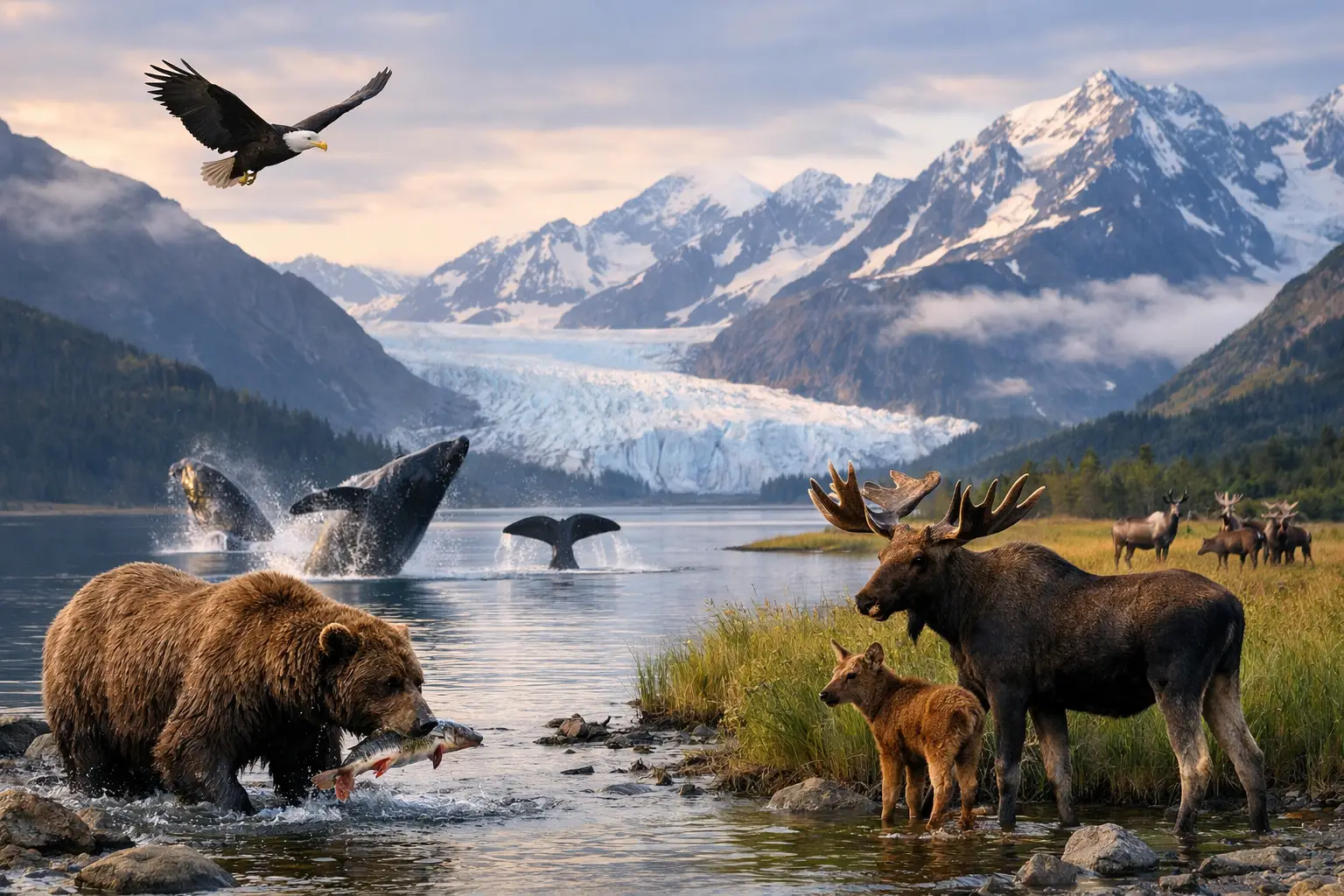
If spotting a moose, watching beluga whales surface, or catching a bear fishing for salmon is high on your Alaska wish list, timing matters. The best time to visit Alaska for wildlife viewing depends on which animals you most want to see, how far you want to travel, and whether you prefer peak summer energy or quieter shoulder-season days around Anchorage and Southcentral Alaska.
For many travelers, the sweet spot is late June through early September. That stretch brings long daylight hours, active animals, accessible roads and trails, and the easiest conditions for sightseeing tours out of Anchorage. But there is no single perfect week for every species. Alaska rewards travelers who match their trip dates to the experience they actually want.
Best time to visit Alaska for wildlife viewing by season
Late spring brings movement and fewer crowds
From mid-May into June, Southcentral Alaska starts to wake up fast. Snow retreats from lower elevations, trees leaf out, and animals become easier to spot as they move into more open areas. Moose are often seen feeding in marshy areas and along roadside corridors, especially in the early morning and evening. Dall sheep can often be viewed on mountainsides along scenic drives, and migratory birds return in impressive numbers.
This is a strong season for travelers who want wildlife without the busiest midsummer pace. You may not get the same salmon-fueled bear activity that peaks later in summer, but you do get longer days, fresh landscapes, and a good chance to see a wide variety of animals in one trip. Around Turnagain Arm, spring can be especially rewarding for birdlife, mountain scenery, and occasional beluga sightings.
Summer is the easiest all-around choice
If you are asking for the simplest answer to the best time to visit Alaska for wildlife viewing, summer is it. June, July, and August are the most dependable months for first-time visitors because wildlife activity is high and access is easiest. Roads are fully open, day tours are in full swing, and you can comfortably combine glacier views, coastal scenery, and animal sightings in the same day.
Summer is also when many visitors see Alaska at its most lively. Moose remain active, bald eagles are common, seabirds are abundant, and marine wildlife viewing is strong along coastal areas. In Southcentral Alaska, this is an excellent time to pair scenic touring with stops at places like the Alaska Wildlife Conservation Center, where you can reliably see iconic species up close while still enjoying the broader chance of spotting animals in the wild.
The trade-off is popularity. Summer brings more visitors, especially in July. If you want prime wildlife season with a little more breathing room, late June and late August often strike a nice balance.
Late summer is prime for bears and salmon runs
By August and into early September, Alaska enters one of its most exciting wildlife windows. Salmon runs attract bears to rivers and streams, and that changes the energy of wildlife viewing across the state. If bear viewing is your top priority, this is often the season people remember most.
This is also a beautiful time in Southcentral Alaska. The landscape is still lush, daylight remains generous, and there is often a slightly calmer feel than peak midsummer. Depending on weather and location, you may still see whales, moose, eagles, and mountain wildlife while also enjoying the seasonal drama that salmon bring.
The one thing to keep in mind is that weather becomes less predictable as summer turns toward fall. Rain can increase, and some travelers get cooler, grayer days. For many guests, that is an easy trade for the chance to catch classic Alaska wildlife behavior.
Fall has surprises if you know what to expect
September can be a very good month for wildlife viewing, especially in early fall. Moose are active, bears may still be feeding heavily, and bird migration adds another layer for nature lovers. Fall color also adds something special to scenic drives around Anchorage, Girdwood, and the Mat-Su Valley.
The challenge is that opportunities begin to narrow as the season advances. Daylight shortens, weather shifts quickly, and some tour options become more limited later in the month. If you are visiting in fall, flexibility helps. This is a great choice for travelers who enjoy cooler air, fewer crowds, and a more relaxed pace.
Winter is not peak season, but it is not empty either
Winter is usually not the best fit if your goal is broad wildlife viewing. Many animals are harder to find, access can be more limited, and daylight is much shorter. Still, winter in Alaska is not without wildlife. Moose are often seen around Anchorage, and hardy visitors sometimes enjoy the quiet thrill of seeing animals against snowy landscapes.
For most vacationers focused on iconic wildlife experiences, winter works better as a bonus season than a primary wildlife trip. If you are dreaming of bears, whales, and rich birdlife, aim for late spring through early fall instead.
When to see Alaska’s most wanted animals
Moose
Moose are one of the most commonly seen large animals in Southcentral Alaska, and they can appear in every season. Summer and early fall are particularly good for visitors because travel conditions are easier and moose are often active near wetlands, wooded edges, and even developed areas around Anchorage. Early morning and evening usually offer the best chance.
Bears
Bears are most closely tied to food sources, which is why mid-summer through early fall is so strong. When salmon are running, your odds improve dramatically in the right locations. Bear viewing can be highly seasonal and very location-dependent, so guided planning makes a difference.
Whales and belugas
Whale viewing is generally best in summer, especially from late spring into early fall depending on the species and location. In Southcentral Alaska, beluga whales can sometimes be spotted in Turnagain Arm, though sightings are never guaranteed. That unpredictability is part of the excitement – and one reason many visitors combine marine wildlife hopes with other reliable experiences in the same outing.
Bald eagles and birds
Bird lovers have a long season to work with, but spring and summer are especially rewarding. Migratory birds return in large numbers, coastal areas become active, and bald eagles are a frequent and memorable sight. If birding matters to you, May through August is a smart window.
Dall sheep and mountain wildlife
Dall sheep are often spotted on steep slopes along scenic routes in Southcentral Alaska, and summer provides the easiest visibility and access. Clear days help a lot, so weather can play a big role in how successful these sightings feel.
Why Southcentral Alaska works so well for wildlife trips
One of the best things about basing your trip in Anchorage is that you do not have to choose between convenience and memorable scenery. In a relatively short drive, you can experience coastal viewpoints, mountain landscapes, glacier country, and wildlife habitat that feels distinctly Alaskan.
That matters for visitors with limited vacation time. Instead of spending days coordinating routes, rental cars, and timing, you can focus on being present for the experience. A well-planned day in the Anchorage area can include dramatic scenery along Turnagain Arm, chances to spot mountain wildlife, and reliable animal encounters at dedicated conservation settings.
For travelers who want Alaska without the stress of self-driving, guided sightseeing can make the whole trip feel easier and more rewarding. Local guides know where animals are commonly seen, when lighting is best, and how to build a day around conditions rather than guesswork. Alaska’s Finest Tours & Adventures is especially well positioned for that kind of experience, with Southcentral routes that make it easy to combine wildlife, glaciers, and iconic scenery in one smooth outing.
How to choose the right month for your trip
If you want the broadest wildlife variety and the easiest logistics, choose June through August. If your focus is bears and salmon action, lean toward August and early September. If you prefer fewer crowds and still want strong odds for moose, birds, and scenic touring, late May, June, and early September can be excellent.
The real answer depends on your priorities. Families often love midsummer because the days are long and schedules are flexible. Couples may prefer late August for the mix of active wildlife and slightly calmer travel. Cruise guests adding a land extension near Anchorage usually do best by choosing a guided day trip that fits neatly into a short window.
A few smart expectations make wildlife viewing better
Wildlife is never on a schedule, and that is part of what makes Alaska special. No guide or tour can promise a wild bear, a breaching whale, or a roadside moose at the exact right moment. What good planning can do is put you in the right places at the right times, with local insight that improves your odds and helps you notice what others might miss.
It also helps to think beyond a single animal. Some of the best Alaska days happen when a hoped-for sighting becomes part of a bigger experience – glaciers in the distance, tidewater views, mountain light, and the sudden thrill of spotting movement where you did not expect it.
If wildlife is one of your main reasons for coming north, plan around the animals first and everything else gets easier. Pick your season based on what you most want to see, leave room for Alaska to surprise you, and you will give yourself the best chance at the kind of day people talk about long after the trip is over.